Petra Schmitt · 14 November 2026
Adapting Version Control Workflows in Solitary Digital Exhibits to Preserve Historical Accuracy Amid Browser Compatibility Shifts
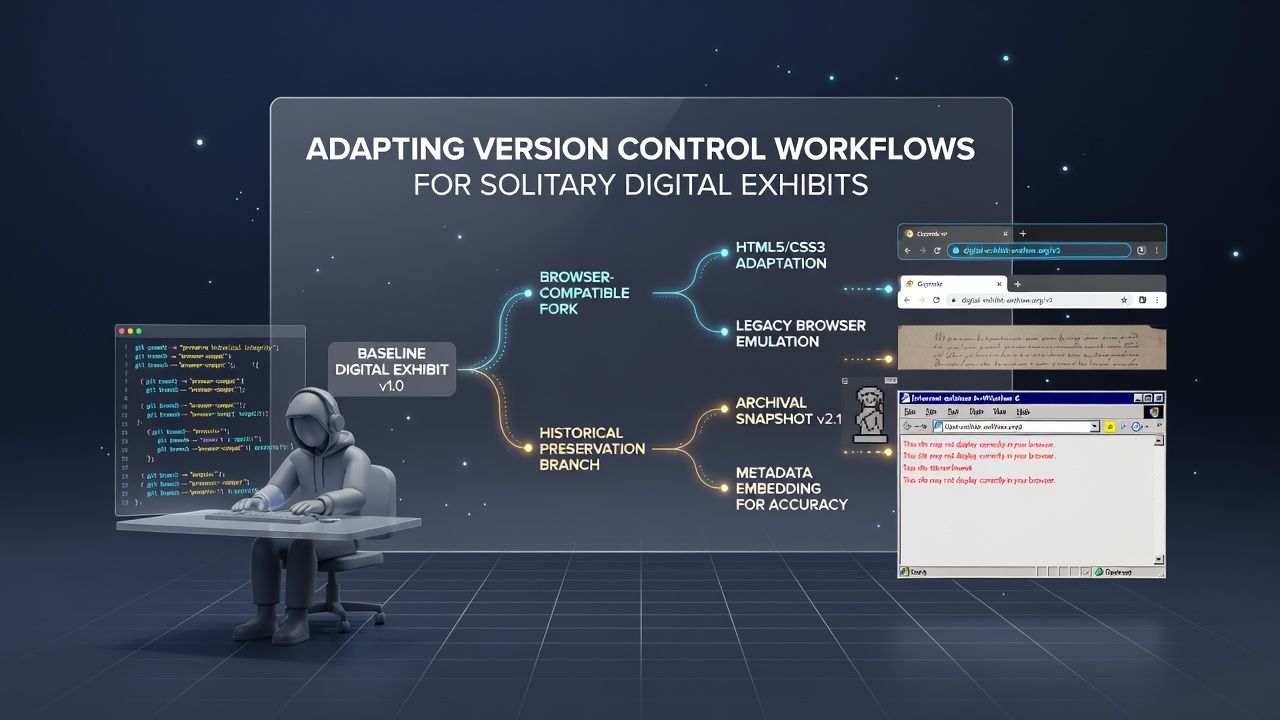
Digital exhibits maintained by individual creators often rely on version control systems to track changes while maintaining the integrity of past states, and browser compatibility shifts create specific pressures on these solitary projects. Researchers at institutions tracking web standards note that updates to rendering engines frequently alter how legacy code behaves, which forces maintainers to isolate historical versions without introducing modern alterations. Data from web archives indicates that solitary exhibits face these issues more acutely than collaborative platforms because single operators must handle both content curation and technical preservation tasks simultaneously.
Core Challenges in Solitary Digital Preservation
Standalone web projects accumulate layers of code that reflect different development periods, and compatibility shifts occur when browsers deprecate features or enforce stricter security models. Observers note that these changes can break visual fidelity or interactive elements in older exhibit sections, which leads creators to adopt branching strategies in tools like Git. One documented approach involves tagging specific commits as stable historical snapshots, and this method allows retrieval of exact code states from earlier eras while permitting ongoing updates in separate branches. Studies on digital longevity show that such isolation prevents accidental overwrites that might compromise accuracy.
Techniques for Version Isolation and Retrieval
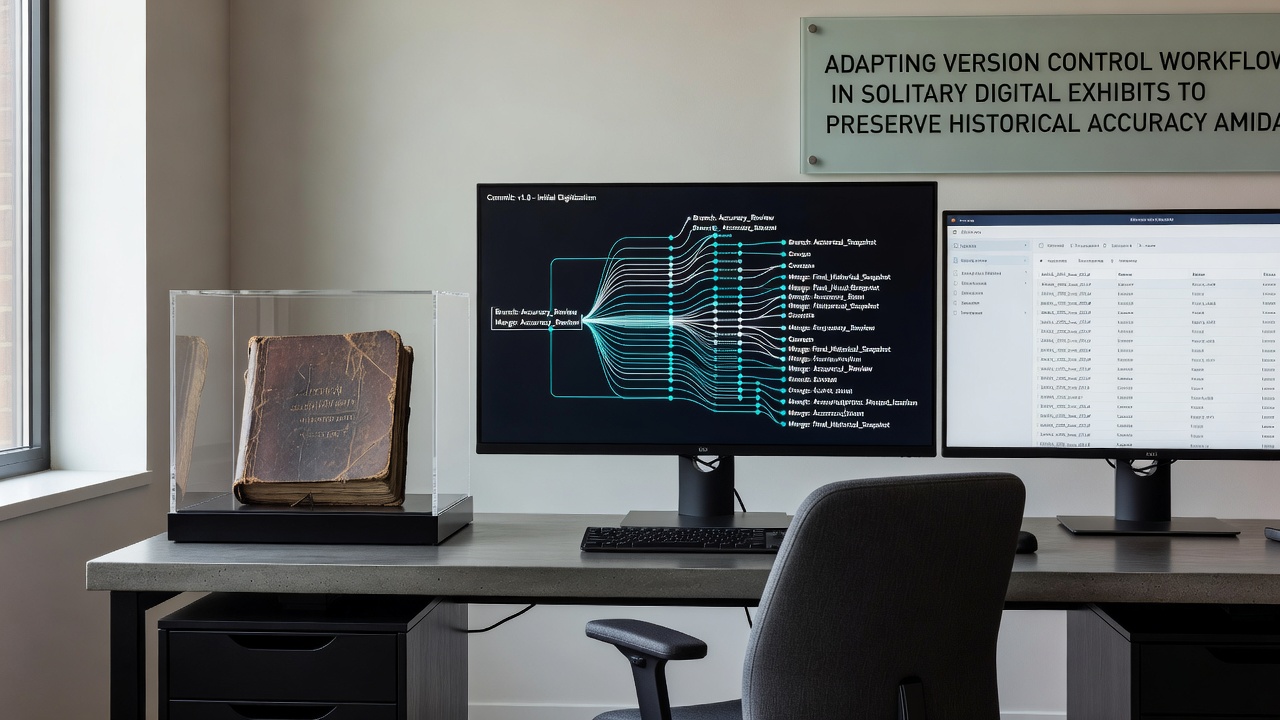
Creators often establish dedicated branches for each major browser compatibility era, and this structure separates maintenance work from archival records. For instance, a branch might capture the exhibit state prior to a rendering engine update, while the main branch incorporates polyfills or adjusted scripts that address current standards. Evidence from preservation projects reveals that commit messages containing detailed browser version metadata improve traceability, and automated scripts can then generate static snapshots for long-term storage. Those who manage solitary exhibits frequently combine this with checksum verification to confirm that retrieved versions match the original files exactly.
Browser vendors release updates on schedules that affect JavaScript APIs and CSS rendering, and projections point to notable shifts around November 2026 when certain legacy support layers are expected to tighten further. Maintainers prepare by documenting dependencies against specific browser releases, which enables precise rollback if an update disrupts exhibit behavior. Academic analyses of web evolution indicate that early adoption of semantic versioning in commit histories correlates with better long-term accuracy in preserved digital artifacts.
Integration with External Standards and Monitoring
Regular monitoring of specifications from bodies such as the World Wide Web Consortium supplies advance notice of deprecations, and solitary creators integrate these alerts into their workflow by creating test branches that simulate upcoming changes. Reports from Canadian research initiatives on digital heritage further demonstrate that cross-referencing version histories against archived browser binaries reduces errors during restoration. This practice ensures that historical accuracy remains intact even when contemporary environments no longer support original code paths.
Workflow adaptations also include the use of containerized environments that replicate older browser conditions, and these setups allow testing without altering the primary exhibit files. Data compiled by European digital preservation networks shows that combining containers with version control tags produces reproducible results across multiple hardware configurations. People overseeing independent exhibits apply these methods to maintain interactive components that would otherwise degrade silently after a compatibility update.
Long-Term Maintenance Patterns
Over extended periods, solitary digital exhibits accumulate numerous tagged releases, and effective organization of these tags prevents retrieval confusion during compatibility events. Maintainers document each tag with metadata on supported browsers and known limitations, which streamlines future interventions. Figures from ongoing web sustainability studies reveal that projects employing consistent tagging conventions experience fewer instances of historical distortion compared to those relying on ad-hoc file copies.
Automated hooks within version control systems can trigger compatibility scans upon new commits, and this automation alerts creators to potential conflicts before they affect archived states. Observers tracking independent web projects note that such proactive measures align well with the resource constraints typical of solitary operations. The approach preserves the ability to present exhibits as they existed at specific points in time while accommodating necessary security updates in active branches.
Conclusion
Version control adaptations in solitary digital exhibits center on systematic branching, tagging, and metadata practices that isolate historical versions from ongoing modifications. Browser compatibility shifts, including those anticipated by November 2026, continue to drive refinements in these workflows. Evidence from multiple preservation efforts confirms that structured version management supports accurate retrieval and presentation of past exhibit states amid evolving web standards.