Ben Vogel · 31 October 2026
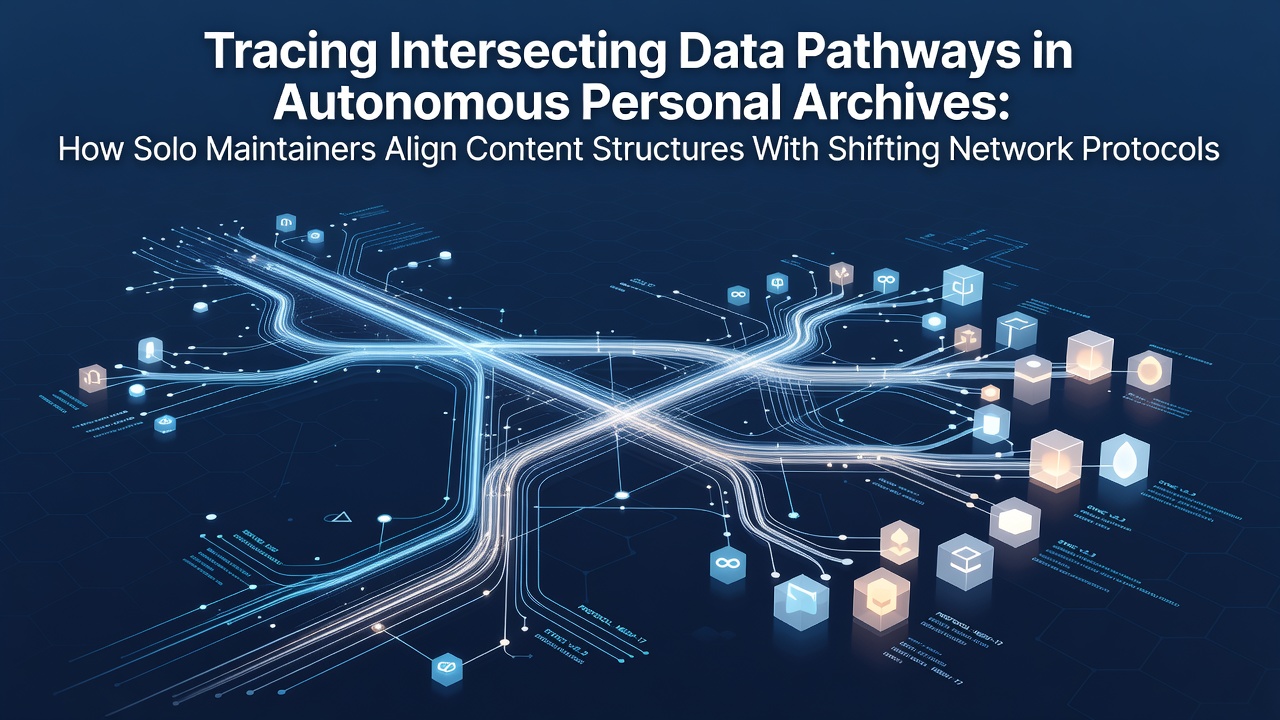
Tracing Intersecting Data Pathways in Autonomous Personal Archives: How Solo Maintainers Align Content Structures With Shifting Network Protocols
Autonomous personal archives consist of self-hosted collections where individuals store and manage digital records without institutional oversight, and these systems require ongoing adjustments as network protocols evolve. Data pathways in such archives intersect when metadata, file references, and access logs connect across multiple storage layers, creating dependencies that shift whenever standards like HTTP versions or transport security layers receive updates.
Mapping Data Intersections in Standalone Collections
Researchers have documented how solo maintainers track these intersections through audit logs that record every reference between content files and external endpoints. According to reports from the World Wide Web Consortium, protocol changes affect resolution paths for embedded resources, and maintainers must update internal linking structures to prevent broken retrieval chains. One study from a European digital preservation consortium revealed that archives relying on older TLS configurations experienced access failures after mandatory upgrades rolled out in multiple regions during 2025.
Observers note that intersections often appear at points where static files reference dynamic APIs or where metadata schemas embed external identifiers. Solo operators address this by maintaining mapping tables that log each dependency, then testing pathway integrity against new protocol requirements. Data from national archives in Canada shows that collections using modular directory structures adapted faster to IPv6 transitions because file references remained relative rather than hardcoded to specific address formats.
Protocol Shifts and Their Effects on Content Structures
Network protocols continue to change as standards bodies introduce improvements for speed, security, and compatibility. In October 2026, several regional networks plan to enforce stricter QUIC implementations, which will alter how archives handle connection handshakes and header compression. Maintainers who have already aligned their content structures with these upcoming requirements report fewer interruptions during testing phases.
Evidence from academic papers published by Australian universities indicates that archives built around flat file systems encounter more conflicts when protocols mandate new authentication flows. Those who reorganize content into layered directories with clear separation between media assets and metadata files experience smoother migrations. The reality is that each protocol update introduces new header fields or encryption expectations, forcing solo operators to revise how their archives expose content to external requests.
Alignment Techniques Employed by Individual Maintainers
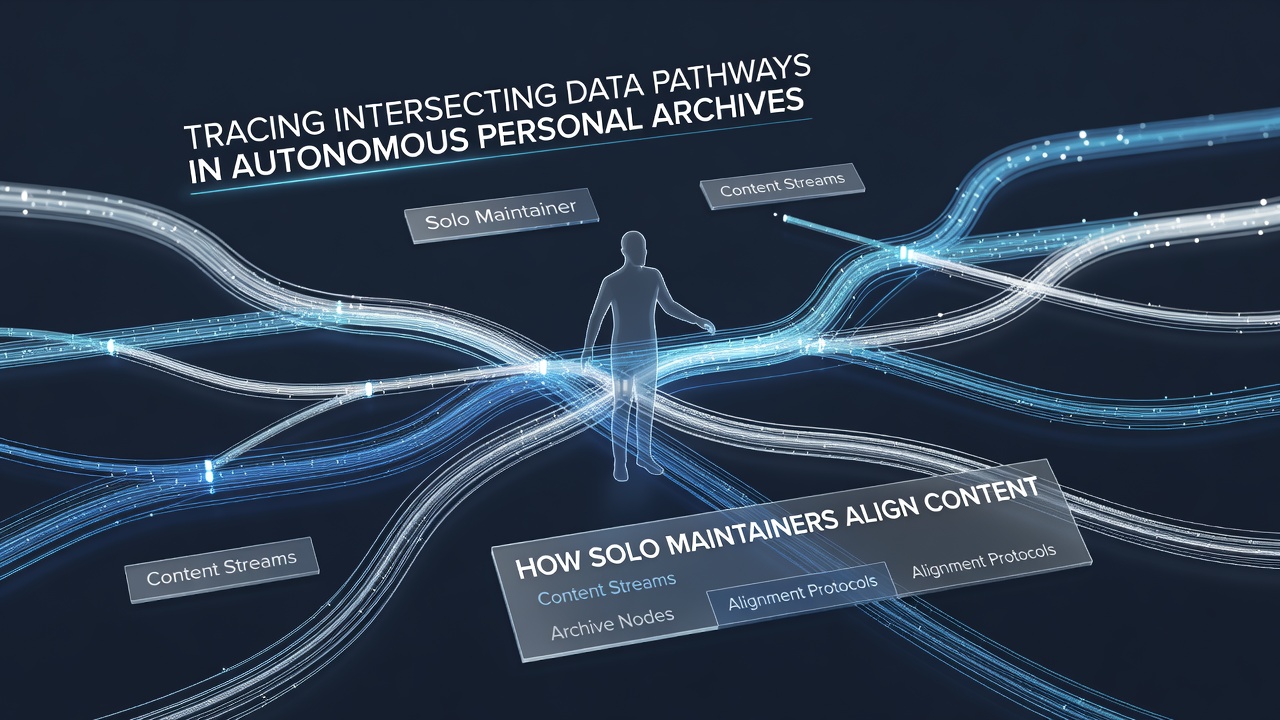
Solo maintainers align structures through periodic reviews that compare current protocol specifications against existing archive configurations. They often implement version-controlled configuration files that document every change to routing rules or content delivery settings. Figures from industry reports released by research institutions in Asia show that archives using automated scripting for dependency checks reduced manual review time by measurable margins after protocol updates.
People who operate these archives frequently combine static site generators with custom scripts that rewrite internal links whenever protocol parameters change. This approach keeps intersecting data pathways functional without requiring complete rebuilds of the collection. Government data from the United States on digital infrastructure highlights that maintainers who maintain separate test environments catch alignment issues before live deployments occur.
Those who've studied long-running personal archives observe that documentation of each structural decision helps future adjustments. When a protocol introduces mandatory content negotiation rules, maintainers consult their records to determine which file formats already support the new requirements and which need conversion. This methodical tracking prevents cascading failures across interconnected pathways.
Practical Adjustments During Recent Transitions
During the rollout of enhanced security protocols in late 2025, several independent archives updated their access control mechanisms to match revised certificate validation steps. Maintainers replaced legacy redirect configurations with updated rules that preserved pathway integrity while meeting new encryption standards. Research indicates that collections incorporating these changes early maintained consistent visitor access rates compared to those that delayed updates.
What's significant is how maintainers use monitoring tools to detect when external services alter their protocol support, prompting immediate reviews of internal content references. One documented case involved an archive that adjusted its image delivery paths after a content delivery network enforced new compression standards, and the maintainer resolved the issue by updating only the configuration layer rather than individual files.
Conclusion
Tracing intersecting data pathways in autonomous personal archives requires ongoing attention to how content structures respond to protocol evolution. Solo maintainers achieve alignment by maintaining detailed dependency maps, using modular organization, and testing changes in isolated environments before applying them broadly. Data from multiple international sources confirms that these practices support continued accessibility as network standards advance through 2026 and beyond.